Law School
What to Expect When Pursuing a Personal Injury Claim in Kansas City

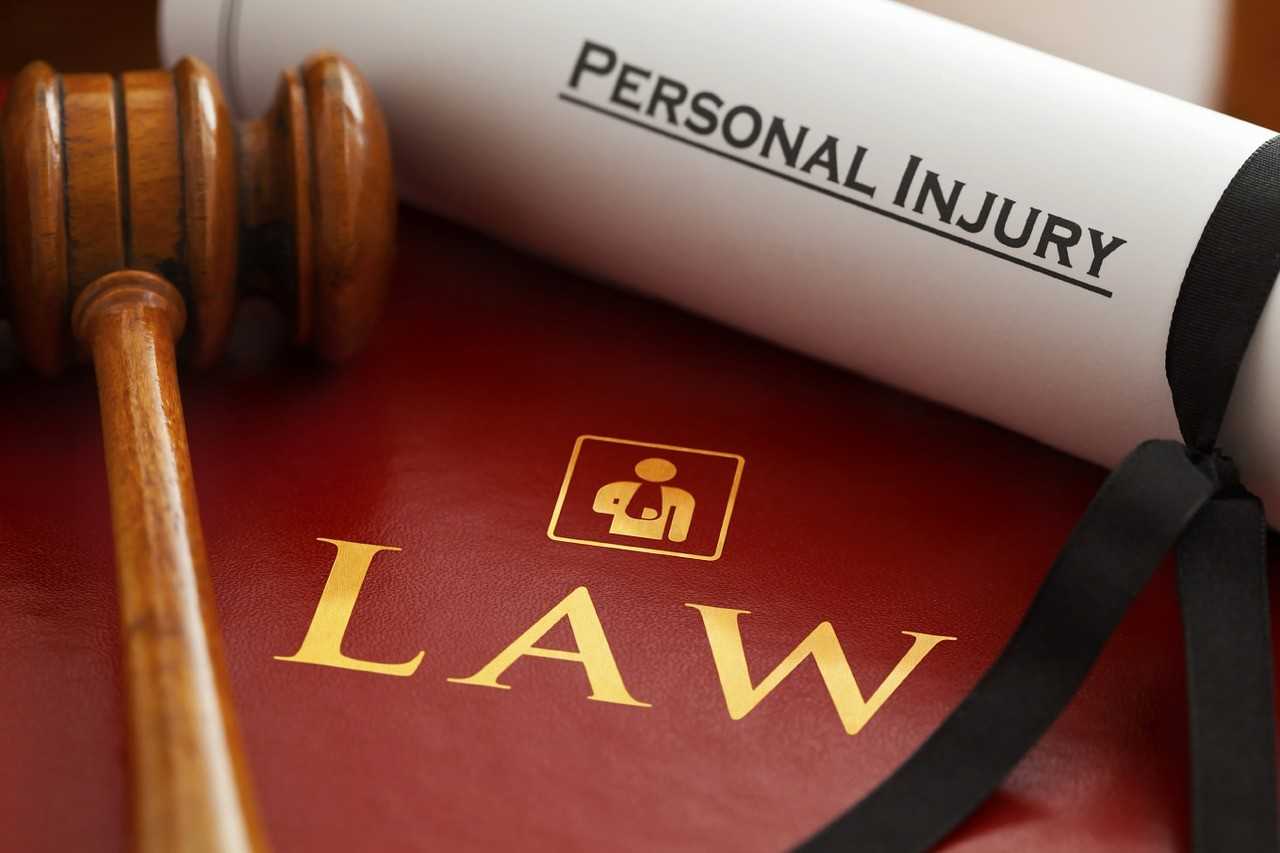 Photo by: Pixabay
Accidents can happen unexpectedly and may leave people dealing with physical injuries, emotional stress, medical expenses, and other losses. When an injury results from another person’s negligence, understanding the legal options available can help an injured person make informed decisions. For those seeking guidance after an accident, the most trusted personal injury lawyer based in Kansas City at Mohlman Injury Law can provide legal assistance in understanding the claims process. Mohlman Injury Law is located at 701 E 63rd St Ste 300, Kansas City, Missouri, and its contact number is +1 816-427-6559.
What Is a Personal Injury Claim?
A personal injury claim is a legal process that may allow an injured person to seek compensation when another party’s actions or failure to act caused harm. Personal injury cases can arise from many situations, including car accidents, truck collisions, motorcycle crashes, slip-and-fall incidents, workplace-related accidents, and other circumstances involving negligence.
Negligence generally means that someone failed to act with reasonable care under the circumstances. For example, a driver who ignores a traffic signal and causes a collision may be considered negligent if the injured person can establish the necessary legal elements of the claim.
A Personal Injury Lawyer in Kansas City may help an injured person understand whether the available facts support a potential claim and what types of losses may be considered.
Common Types of Personal Injury Cases
Motor Vehicle Accidents
Car accidents are among the most common sources of personal injury claims. Injuries may range from minor bruises to broken bones, traumatic brain injuries, spinal injuries, or other serious conditions.
Determining responsibility after a collision can involve examining police reports, photographs, witness statements, vehicle damage, traffic laws, and other evidence. Insurance companies may also become involved in evaluating the resulting claim.
Slip-and-Fall Accidents
Property owners and businesses may have responsibilities to maintain reasonably safe premises. A person who slips on a wet floor, trips over a dangerous surface, or falls because of another hazardous condition may have grounds for a premises liability claim.
These cases can depend on factors such as whether the property owner knew about the hazard, whether the condition could reasonably have been discovered, and whether appropriate steps were taken to address it.
Other Injury Claims
Personal injury law covers more than vehicle and premises accidents. Depending on the circumstances, claims may involve defective products, animal attacks, construction accidents, or other incidents in which another party’s conduct caused injury.
The specific legal requirements can vary depending on the type of accident and the facts involved.
What Compensation May Cover
Compensation in a personal injury case is intended to address losses resulting from an injury. The amount and types of damages available depend on the circumstances of each case.
Medical Expenses
Medical costs can include emergency treatment, hospital stays, physician visits, medication, physical therapy, and other necessary treatment. Serious injuries may also require ongoing care, making future medical expenses an important consideration.
Lost Income
An injury may prevent someone from working temporarily or permanently. Lost wages may therefore become part of a claim when the applicable legal requirements are met. In some situations, the effects of an injury on future earning capacity may also be considered.
Pain and Other Losses
Some personal injury claims may involve compensation for physical pain, emotional distress, and other non-economic losses. These damages can be more difficult to calculate because they do not come with a straightforward bill or receipt.
The Importance of Evidence
Evidence can play an important role in establishing what happened and who may be responsible. Helpful evidence can include medical records, accident reports, photographs, videos, witness information, correspondence with insurance companies, and documentation of financial losses.
Keeping records soon after an accident can also make it easier to demonstrate how an injury affected a person’s daily life and finances.
It is important to understand that an insurance company’s assessment of a claim is not necessarily the same as the legal value of the claim. Insurance companies generally evaluate claims according to their own procedures and available evidence.
Understanding the Personal Injury Process
A personal injury case may begin with an investigation into the accident and the resulting injuries. The injured person’s legal representative, if they have one, may gather evidence, review medical information, communicate with insurers, and assess potential damages.
If the parties cannot reach an agreement, a lawsuit may become necessary. Litigation can involve several stages, including filing legal documents, exchanging information, taking depositions, negotiating, and potentially proceeding to trial.
Not every personal injury case reaches a courtroom. Some disputes are resolved through negotiations or other forms of settlement before trial.
Kansas City Personal Injury Considerations
Kansas City sits near the Missouri-Kansas border, meaning the location and circumstances of an accident can be particularly important when determining which state’s laws may apply. Missouri and Kansas have different rules governing personal injury claims, including rules concerning deadlines and responsibility for damages.
Because legal deadlines can affect a person’s ability to pursue a claim, understanding the applicable law and relevant time limits is an important part of evaluating an injury case.
Key Insights About Personal Injury Claims
Personal injury claims can involve much more than the immediate costs of an accident. Medical treatment, lost income, long-term effects, and other losses may all become relevant depending on the circumstances. Evidence is also important because establishing what happened, who was responsible, and how the injury affected the individual can influence the outcome of a claim.


 Banco6 years ago
Banjercito

 Gaming6 years ago
NBA 2K21 Best Controller Settings

 Social Media5 years ago
How to prepare a publication schedule

 Filmora6 years ago
Wondershare Filmora 9 Activation Key and Email Free 2020

 Indonesia6 years ago
Serial Number CorelDraw X7 Aktivasi Kode 64/32 Bit | Dijamin Bisa

 Education4 years ago
Juan Monteverde on the Unexpected Costs of Corporate Fraud

 Indonesia6 years ago
Mangastream – 15 Alternatif Terbaik untuk Membaca Manga Online [2021]

 Education6 years ago
28 Best Bane Quotes From The Movie “The Dark Knight Rises”
You must be logged in to post a comment Login